
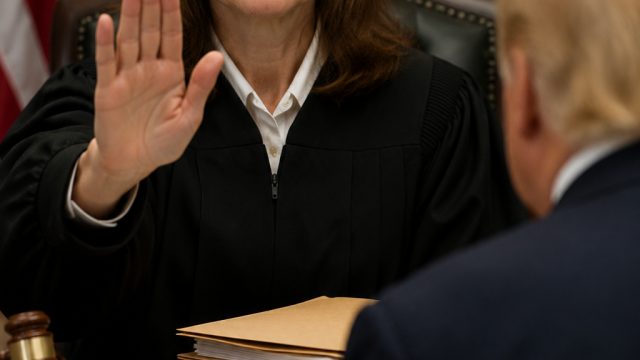
Federal Judge Halts Trump's Immigration Subpoenas Against Minnesota Officials
In a significant legal development, a federal judge has ruled against the Trump administration's efforts to compel Minnesota officials to participate in the enforcement of immigration policies, specifically those concerning the Immigration and Customs Enforcement (ICE) agency. This decision underscores the ongoing tension between federal immigration enforcement and state sovereignty, raising questions about the balance of power in the American legal system.
The Context of the Ruling
The decision comes amidst a broader national conversation about immigration policy and enforcement. As states grapple with their roles in federal immigration strategies, the ruling from Chief Judge Patrick J. Schiltz of the U.S. District Court in Minnesota highlights significant legal and ethical considerations surrounding state compliance with federal mandates.
Understanding the Subpoenas
The subpoenas issued by the Department of Justice (DOJ) aimed to investigate Minnesota officials for their alleged obstruction of ICE. The Trump administration argued that local officials were not cooperating adequately with federal agents, thereby hindering law enforcement efforts directed at undocumented immigrants.
Legal Implications of the Ruling
The court’s decision to quash the subpoenas is not merely a procedural victory for Minnesota officials; it sets a precedent regarding the limits of federal authority over states in immigration enforcement. By prioritizing state rights, the ruling emphasizes that state officials cannot be compelled to act against their policies or moral stance concerning immigrant populations. This is particularly relevant as communities continue to navigate the complexities of immigration laws and enforcement strategies.
Reactions from Officials and Advocates
The ruling has elicited varied responses from different stakeholders. Advocates for immigrants' rights have praised the decision, viewing it as a necessary protection for vulnerable communities. They contend that local officials should not be forced to assist in federal immigration enforcement that may conflict with their community values or put individuals at risk.
Support from Local Leaders
Local leaders in Minnesota have expressed relief at the ruling, affirming their commitment to fostering inclusive communities that prioritize public safety and trust over aggressive immigration enforcement. One local official stated:
- "This ruling allows us to focus on serving our community without fear of federal repercussions that could endanger lives."
- "We stand by policies that protect the dignity and safety of our residents, regardless of their immigration status."
Concerns from Federal Authorities
On the other hand, federal authorities have criticized the ruling, arguing that it complicates their efforts to enforce immigration laws effectively. They maintain that cooperation from local jurisdictions is essential for the successful apprehension of individuals with criminal backgrounds who may pose a threat to public safety.
Wider Implications for State-Federal Relations
This ruling represents a pivotal moment in the ongoing struggle between state rights and federal power, particularly as it relates to immigration enforcement. It raises critical questions about:
- The future of cooperative agreements between states and the federal government.
- The role of local police departments in immigration enforcement.
- Potential changes to state laws in response to federal immigration policies.
As the legal landscape surrounding immigration continues to evolve, the ramifications of this ruling could influence similar cases across the country. Other states may feel empowered to challenge federal overreach, fostering a patchwork of responses to immigration enforcement nationwide.
Conclusion: The Road Ahead
As the Trump administration's immigration policies remain a contentious issue, this ruling from Minnesota serves as a reminder of the ongoing legal battles that will shape the future of immigration enforcement in the United States. With state officials now more emboldened to resist federal subpoenas, the implications of this decision will likely reverberate throughout local and federal interactions concerning immigration.
In the coming months, stakeholders across the political spectrum will undoubtedly continue to monitor similar situations, as they hold significant implications for the rights of states, the treatment of immigrants, and the administration of justice in America. As these developments unfold, it is crucial for citizens to stay informed and engaged with the ongoing discourse surrounding immigration policies and their impact on communities.
