
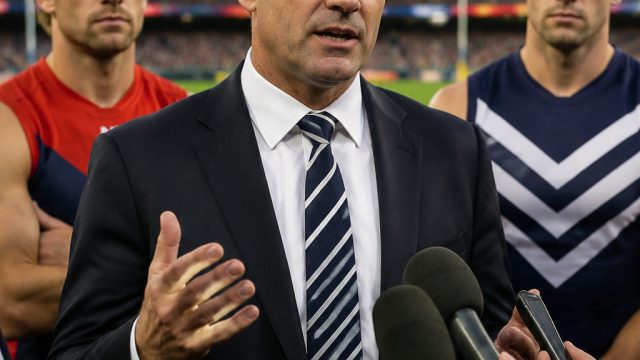
AFL's New Stance: Speak Out and Face Consequences
The Australian Football League (AFL) is actively reshaping the way players express their opinions regarding officiating and league decisions. With recent comments from players like Jy Simpkin of North Melbourne and coach Damien Hardwick drawing scrutiny, the league is initiating a stringent policy aimed at minimizing public critique of match officials and tribunal outcomes. This shift is significant not only for players but also for fans and the integrity of the sport itself.
Understanding the Recent Policy Change
As the AFL prepares to implement stricter regulations concerning player comments on umpiring and tribunal decisions, many are questioning the rationale and potential effects of this move. The league asserts that consistent public criticism undermines the authority of officials and can negatively impact the game's reputation. This policy aims to foster an environment where players are encouraged to express their views internally rather than externally.
Key Drivers Behind the Decision
- Maintaining Official Integrity: The AFL believes that public disapproval can lead to a lack of confidence in umpires.
- Encouraging Internal Feedback: Players are urged to discuss grievances through appropriate channels.
- Protecting the League's Image: A united front is seen as essential for the league's overall perception.
Implications for Players and Coaches
With this new directive, players and coaches face a dilemma. While the freedom to speak openly about officiating issues is crucial for transparency, this policy may discourage candid discussions that could lead to meaningful improvements within the game. The potential for players to face repercussions for their statements raises questions about their rights and the balance between free speech and professional conduct.
Potential Consequences for Non-Compliance
The AFL has indicated that any public statements deemed critical of officiating will result in disciplinary actions. The severity of penalties remains unclear, but possible actions could include fines or match suspensions. Therefore, players and coaches must tread carefully when discussing officiating decisions.
The Role of Fans and Media in the Discussion
As the AFL enforces stricter guidelines on player commentary, the role of fans and media becomes increasingly significant. Fans are often the loudest advocates for transparency and fairness in officiating, and media outlets play a crucial part in shaping public opinion. How these groups react to the league's new stance could influence the ongoing discourse surrounding player rights and the quality of officiating in the AFL.
What Fans Can Do
Fans who are passionate about the integrity of the game can take several actions to voice their opinions:
- Engage on Social Media: Share thoughts and feelings about the implications of this policy.
- Participate in Forums: Join discussions on platforms dedicated to AFL and sports commentary.
- Support Player Initiatives: Advocating for players’ rights to express concerns regarding officiating.
Conclusion: A Fine Line Between Governance and Freedom of Speech
The AFL's new approach to player criticism is undoubtedly a controversial topic, reflecting a broader concern about governance and free expression in sports. As the league moves forward with these guidelines, it will be essential to monitor how players adapt and respond. Ultimately, the balance between maintaining respect for officiating authority and allowing players to voice their opinions will determine the future dynamics within the league.
